
The Importance of Creativity in the North
People’s Powerhouse annual convention took place this November, its sixth edition, and the first to be held in Preston. It was an engaging couple of days, as organisations and individuals from communities across the North flocked to learn more about each other and understand how we can contribute to a better North.
Amidst a range of workshops relating to climate action, racism up North, as well as invigorating talks from the likes of Stockport Refugee Consortium’s David Mutai and Preston Council Leader Matthew Brown, was the Powerhouse’s film festival.
It was a new approach from the organisation, aiming to platform politically charged films from local filmmakers, and it was a moving, and informative afternoon.
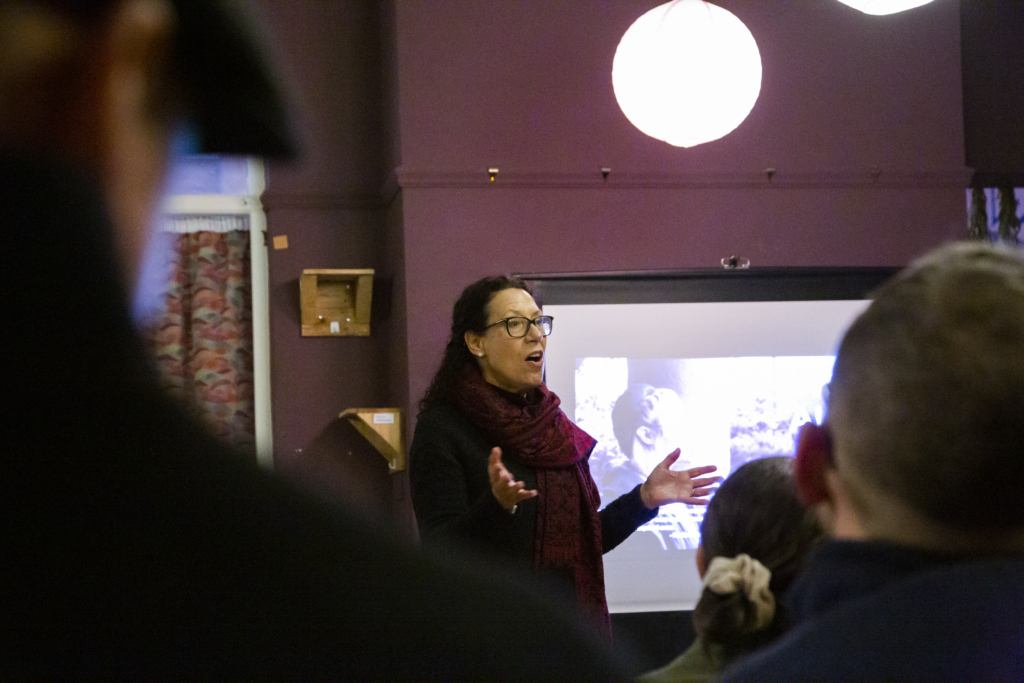
Beginning with a presentation from Paul Drury-Bradey, who worked on Kitchen-Sink icon Ken Loach’s most recent work, The Old Oak (2023), we had a unique look into the film’s marketing process, which involved a range of activities that sought to bring a variety of communities together, evoking the spirit of the film. Paul emphasised the importance of a “people-powered approach to cinema”, portraying this with the making of the film’s banner, and the celebration of “meaningful engagement” with the community (featuring some lovely looking Syrian meals). It was an insightful look into not only The Old Oak, but also how we can actively apply these messages and themes to our own lives and those around us.
The first full screening of the day was Joe Malamed’s debut documentary Block to Block (2023) (the film is available on Youtube), a provocative first-hand examination of Manchester’s housing crisis, featuring interviews with a diverse array of local residents, as they confront developers and their plans to place a student tower block in their community. It was an honest, yet bleak look at the disrupted lives of working class people having to fight for their own long-standing community, and the film was very well-received. Joe’s work was detailed, passionate and efficient, as was reflected in the questions and discussions posed after the screening. It felt intrinsically ‘Manchester’, while also embodying the feelings and experiences of many Northerners. It was important for the film festival, and the convention at large, to be facing the tough questions and situations, and that was just what Block to Block was able to do.
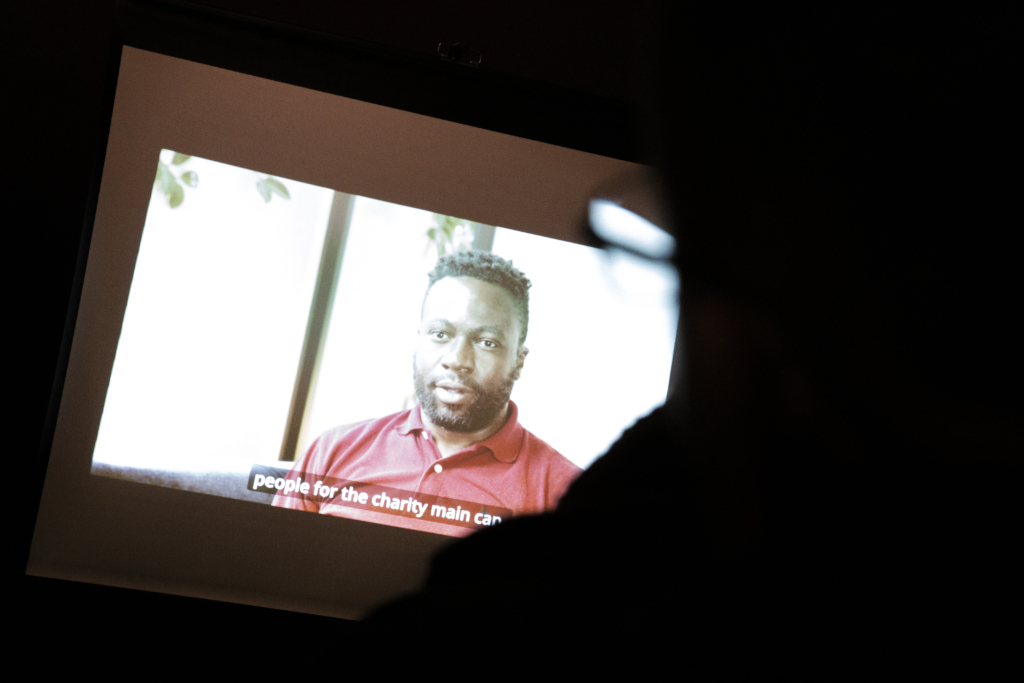
The final screening of the day came in the form of The Unequal Pandemic (2023), with Debbie Abrahams, Kate Ardern, Phil Webb and Lorne Guy joining us to speak about the film’s production. This was another documentary which featured multiple family and expert testimonies, detailing their intense and tragic experiences during the pandemic, displaying how the outbreak overwhelmingly impacted marginalised communities. It was a shattering assortment of interviews, openly discussing the losses they had to endure, the aftermath of those losses and the utter disappointment and anger they felt towards those in power. On top of the emotional dialogues with the loved ones of those who lost their lives, were extensive presentations of the evidence that uncovered the monumental failure of the government’s approach to COVID-19, leading to a haunting yet powerful film. This was mirrored by the audience as you could hear them mention how the film moved and infuriated them. It was an intense climax to the day’s film screenings.
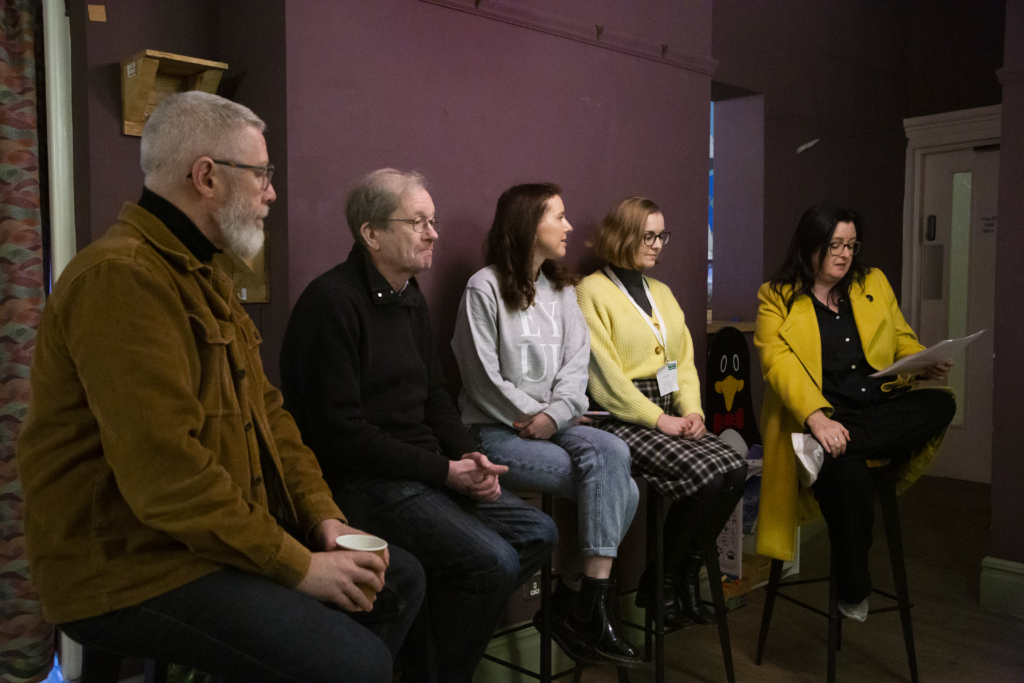
The final event of the festival was a panel discussion on “what the North needs to have equal representation in media” with an excellent array of writers and journalists to tackle the subject. Present on the panel were Brian Groom, Brontë Schiltz, Grace Dyke, Rob Martin and Helen Nugent as chair. This was an insightful discussion, exploring the explosion of digital media in recent years, problematic workplaces and employment practices, and how media and journalism are used to provide those of marginalised backgrounds a platform and voice. We also had a very engaged post-panel Q&A covering many threats to truly enriched and valuable journalism, such as the dangers of AI and short-form content, and the actual future of media criticism in a world that often values surface-level or clickbait material. It was a thought-provoking end to an emotionally charged festival.
Steven Burrows is a Masters Student at the University of Salford.


